


Responsible Gambling – Understanding the Psychology of Play
The world of online casinos is fascinating, often thrilling, and—if not approached carefully—potentially risky. Many platforms, like NineWin Casino, have worked hard to promote healthy gambling behavior among their players. The rise of digital play has made responsible gambling not just a niche subject but a central pillar of modern casino culture. What draws people in is not only the promise of winning but also the psychological rhythm embedded in every spin, deal, and wager.
Casinos thrive on emotion. There’s anticipation when a slot wheel spins, that sense of chance mixed with control. Perhaps it’s this blend of uncertainty and engagement that keeps people hooked. Yet, understanding the psychology behind those moments can transform play from an impulsive chase to a mindful form of entertainment.
Understanding the Psychology Behind Play
At its core, gambling activates reward pathways in the brain. When we expect or receive a prize, dopamine spikes, creating a sensation of pleasure. This effect is similar to what happens when achieving something meaningful or exciting. But in casinos, especially online ones, the pattern of wins and losses isn’t predictable. This unpredictability—what psychologists call “variable reinforcement”—can make games feel almost hypnotic.
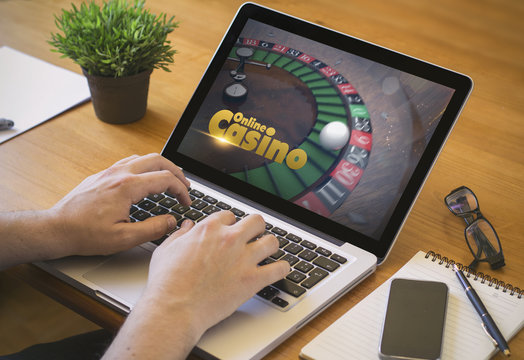
Players don’t always chase the money. Often, they chase the feeling of being “in the game.” I’ve spoken to people who said they just like the rhythm of tapping the button, watching the slots roll—it’s relaxing in its own unpredictable way. Others feel a sense of control even when outcomes are random, which can be comforting or dangerously deceptive depending on how deeply one engages.
A key insight from psychological studies is that gambling is less about outcome and more about experience. The brain learns to love the process itself, not just the result.
Strategies for Safe and Responsible Play
Responsible gaming is about setting limits, both emotional and financial, before the first bet is placed. Many players, myself included, have found that a few rules make a world of difference.
- Set a Time Limit: Decide before playing how long you’ll be online and stick to it. A timer on your phone helps.
- Budget Your Bets: Only use money you intentionally set aside for leisure, never savings or emergency funds.
- Take Breaks: Sometimes a short walk or cup of coffee helps you regain perspective.
Modern casinos make this easier. Platforms now integrate self-control tools that allow timeouts, deposit limits, or even temporary suspensions. These systems aren’t perfect, but they help. They reflect the industry’s slow, steady shift toward prioritizing long-term users over short-term profits.
- Automatic reminders for play duration
- Voluntary cooling-off periods between deposits
- Statistics that show your average spending and play time
Such features remind players that casinos can be partners in responsible entertainment, not just profit-driven hosts.
The Emotional and Financial Impact
Despite all precautionary tools, gambling can lead some into difficult patterns. What begins as fun can evolve into something compulsive. Recognizing early warning signs is crucial. If someone feels anxious after losing or begins hiding their play habits, that’s a red flag. The emotional highs and lows can resemble a rollercoaster, and while that thrill can be captivating, it can also blur rational judgment.
It’s worth noting that “illusion of control” plays a significant role here. Players might think that pressing the button a certain way changes the result or that they’re “due for a win.” In truth, random number generators don’t remember past spins. Understanding this simple fact can pull people back from impulsive decisions.
- Recognize emotional triggers—bad days, stress, loneliness.
- Seek balance in other activities—sports, social interactions, creative hobbies.
- Talk about gambling openly—it breaks the stigma and offers support.
Table: Common Behaviors and Triggers
| Behavior | Description | Healthy Response |
|---|---|---|
| Chasing Losses | Continuing to gamble to recover previous losses | Pause play, set strict limits, avoid emotional decisions |
| Overconfidence After Wins | Believing success will continue indefinitely | Celebrate small wins but stop at preset goals |
| Escapism | Using gambling to cope with feelings or stress | Redirect stress relief toward healthy outlets |
- Small wins can reinforce risky habits if misunderstood.
- Community engagement can help balance solo gambling behavior.
Awareness is key. The more you understand the motivations behind your play, the more power you have to keep it enjoyable and sustainable.
Conclusion
Responsible gambling isn’t about removing the fun, it’s about keeping control. The thrill of the spin, the anticipation of cards, the flashing lights—these things should remain enjoyable, not controlling. When approached with awareness and balance, gambling becomes what it was always meant to be: entertainment. Platforms like NineWin and others worldwide now strive to educate and support this approach, shaping a new, healthier era of online play. Maybe, just maybe, that’s how the future of gaming sustains both excitement and wellbeing in the same breath.